Why Renters Insurance Is Important for Tenants?
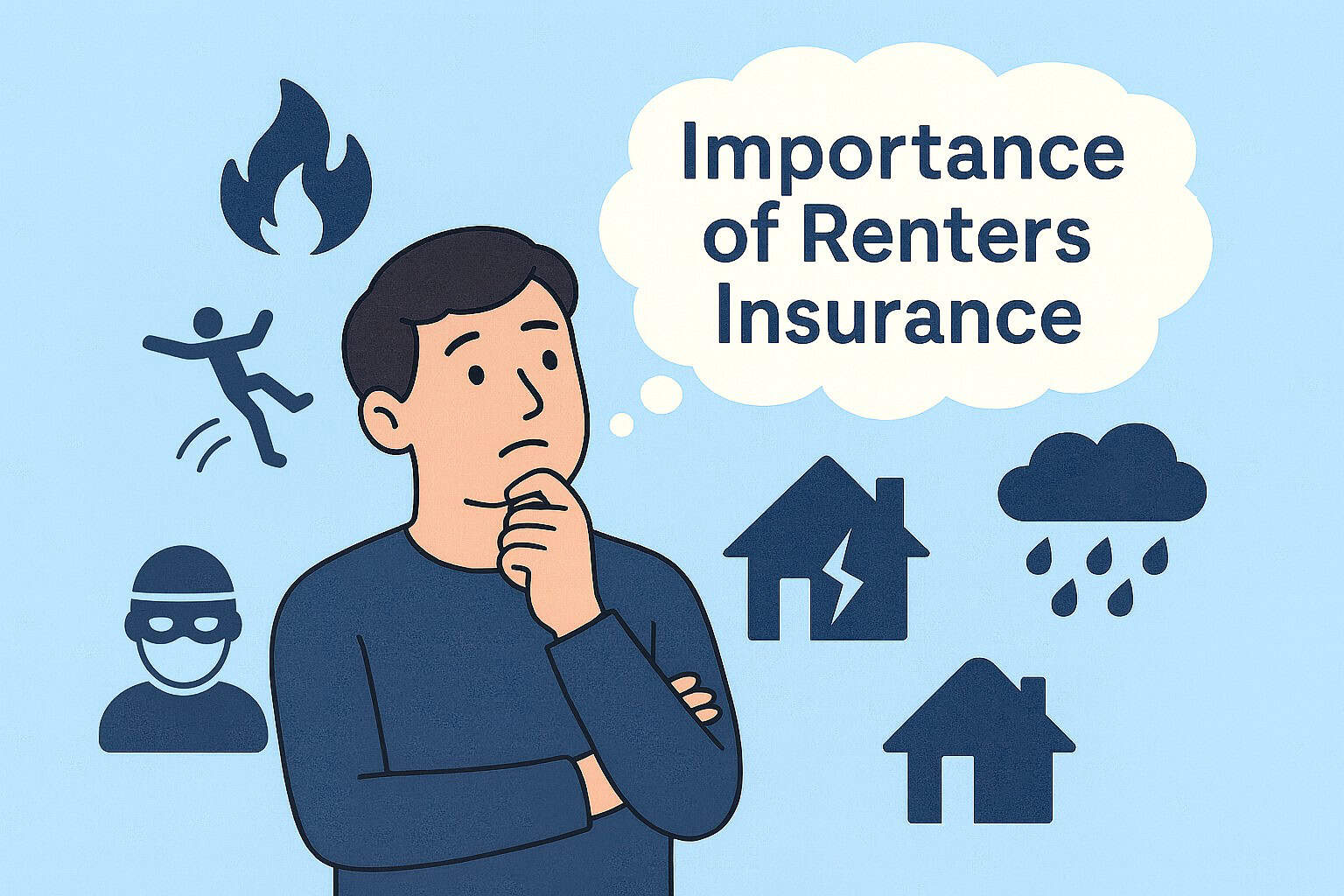
Renters insurance is important because most landlords require it, and it’s a type of policy that protects your personal belongings from covered perils, defends you from liability claims as a tenant, and pays for temporary housing if your rental unit becomes unlivable.
Without this coverage, you would need to pay out of pocket to replace everything you own, cover legal fees if you face a liability claim, and pay for hotel costs if you have to move out of your unit temporarily. Any one of these expenses, or a combination of them, could cost you hundreds, if not thousands, of dollars.
When you consider what’s at stake versus what you’d pay in premiums, renters insurance becomes a no-brainer. For tenants in today’s economy, it’s not just a smart option—it’s a necessity that offers real financial protection when you need it most.
Key Points
- Most landlords require proof of coverage before approving your lease, making it a mandatory rental qualification.
- Insurance isn’t required by law, but landlords have the legal right to require it as a lease condition.
- Without coverage, you pay replacement costs, liability expenses, and temporary housing bills entirely out of pocket.
- Policies typically cost $15–$30 monthly but protect against losses reaching tens of thousands of dollars.
Why Renters Insurance Has Become Nearly Essential for Tenants
Renters insurance has become essential for two main reasons: first, most landlords now require it for lease approval; and second, it offers comprehensive protection at a remarkably affordable price.
Let’s start with the landlord requirement. You might feel confident going without coverage, but nearly all landlords mandate it now. There’s almost no way around it even though no law requires it.
They’re protecting their investment by ensuring you have coverage. This means skipping it simply disqualifies you from most rentals before you even start.
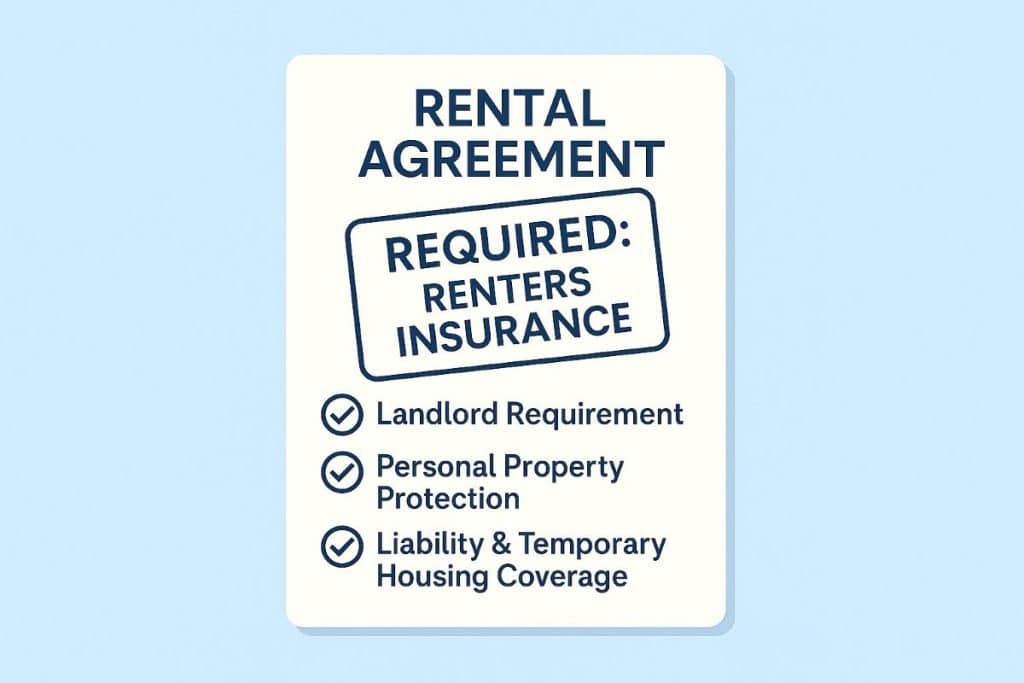
Beyond the requirement, the three main protections renters insurance offers make sense financially on their own.
First is your personal property. Think about everything in your apartment—your laptop, TV, furniture, clothes, and kitchen appliances.
If an incident occurs in your rental unit and you’re forced to replace any or a combination of these items without renters coverage, the cost can be a major financial burden. With renters insurance, if the damage was caused by a covered peril, your policy pays for replacements.
Second is liability protection. Say someone gets hurt in your apartment and decides to hold you responsible. They file a claim for their medical costs.
That claim could reach thousands of dollars or more depending on the situation. Your renters policy handles it, but without coverage, you’ll be paying for all of that claim out of pocket.
Third is temporary housing. Let’s say a pipe bursts and your landlord needs you out for a week during repairs. Hotels cost $150 or more per night in most cities these days.
That’s over $1,000 for the week, plus all your meals out. Your renters insurance covers these expenses so you’re not scrambling to afford it.
These three protections work together to shield you financially. You’re protecting your belongings, yourself from liability, and your budget when you need temporary housing.
Additionally, your renters insurance policy often extends beyond your rental unit. Items stolen from your car or damaged while traveling may qualify for coverage under your policy.
When you put together the landlord requirement and the comprehensive protection renters insurance provides, it becomes clear this coverage is no longer optional. It’s as essential as your auto or health insurance—something you simply need to have as a tenant.
Is Renters Insurance Required by Law?
No federal or state law mandates renters insurance for tenants. However, landlords have the legal right to require it as a condition of your lease before approving your tenancy.
And most landlords do require it now. They’re protecting their property by making sure you have coverage, because your lack of insurance creates risk for them too when incidents occur.
Do You Really Need Renters Insurance?
Yes, you need it—both because landlords require it and because going without exposes you to financial risks that could take years to recover from.
The landlord requirement alone makes it non-negotiable for most rentals. You won’t get approved without proof of coverage, so not having it means you’re disqualified before you even start.
But even if you found a landlord who doesn’t require it, one incident proves why it matters. A small kitchen fire damages everything you own. A visitor trips and sues you. Your apartment floods and you need a hotel for two weeks.
These scenarios happen to regular tenants every single day. When they do, you’re either protected or you’re draining your savings to cover costs that insurance would have handled for only $15–$30 monthly.
The math is straightforward here. You’re paying roughly $200–$360 per year for coverage that protects against losses reaching tens of thousands of dollars.
What Happens If You Don’t Have Renters Insurance?
The immediate consequence is disqualification from most rentals. Landlords require proof of coverage before lease approval, so not having it wastes all the time and effort you invested in applying.
But let’s say you’re in a unit where the landlord doesn’t require it. You’re still exposed to every cost that insurance would have covered.
Your belongings get damaged or stolen? You’re replacing everything yourself. You cause accidental damage to your neighbor’s unit? You’re paying for their repairs and ruined belongings. Your apartment becomes temporarily unlivable? You’re covering your own hotel and meals.
These costs add up faster than most people’s emergency funds can handle. A week in a hotel plus eating out runs over $1,000 easily. Replacing basic furniture and electronics after a fire reaches several thousand dollars minimum. Liability claims from injuries can exceed $20,000.
All of this hits your savings for want of a $15–$30 monthly policy. The risk versus benefit calculation simply doesn’t make sense when coverage is this affordable.
FAQs
What is the main reason someone would want renters insurance?
The biggest reason is that most landlords now require it, so not having coverage disqualifies you from securing most rentals. Beyond meeting this requirement, renters insurance protects you from significant liability risks and replacement costs.
Without coverage, you pay out of pocket for everything—replacing damaged belongings, covering liability claims if someone gets hurt in your unit, and paying for temporary housing if your apartment becomes unlivable.
Does renters insurance cover roommates?
Generally no—each person needs their own policy. Roommates should purchase separate policies to protect their individual belongings and personal liability exposure independently.
Can you get renters insurance if you have pets?
Yes, many policies include liability coverage for pet-related incidents. Some breeds may face restrictions or higher premiums, so inform your insurer about pets upfront.
Bottom Line: Summary of What to Remember
These are the most crucial points to keep in mind as you move forward:
- Most landlords require proof of coverage before lease approval, making it essential for qualifying for rentals.
- Insurance isn’t legally required, but landlords have the right to mandate it as a lease condition.
- Without coverage, you personally pay for all replacement costs, liability expenses, and temporary housing bills out of pocket.
- Policies cost $15–$30 monthly but protect against financial losses that could reach tens of thousands of dollars.
- Renters insurance covers your personal belongings, liability claims, and temporary housing expenses—three protections your landlord’s policy never provides.
Don’t forget: Renters insurance is no longer an optional protection—it’s practical financial security. One incident without coverage can cause financial strain that may take months, if not years, to fully recover from.